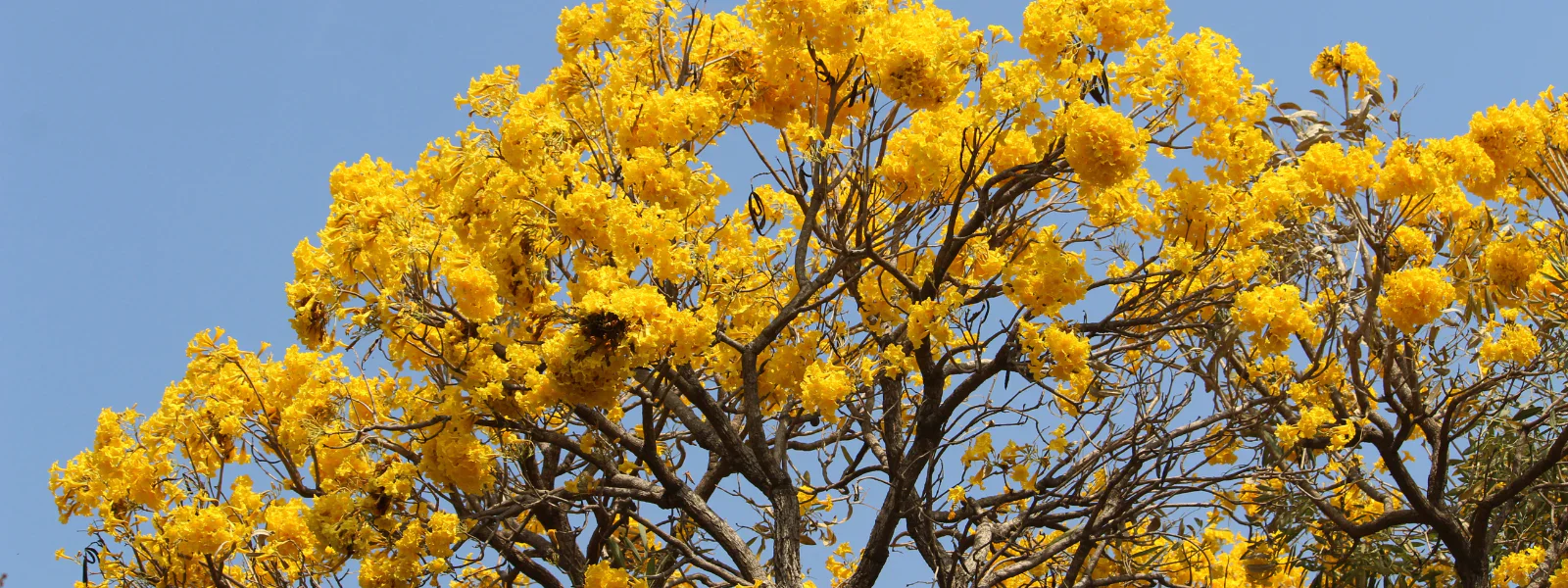
The golden trumpet tree for sale is one of the most striking ornamental trees used in tropical and subtropical landscapes. Famous for its brilliant yellow, trumpet-shaped flowers that bloom in dense clusters, this tree transforms any garden into a vivid display of color during its flowering season. While it is relatively hardy once established, proper care is essential to ensure healthy growth, strong structure, and abundant blooms year after year.
Understanding the Golden Trumpet Tree
The Golden Trumpet Tree is a deciduous flowering tree that can grow between 20 to 40 feet tall depending on climate and soil conditions. It is widely admired for its seasonal flowering display, where the entire canopy becomes covered in bright golden blossoms, often before new leaves fully emerge.
This tree thrives in warm climates and is commonly found in tropical and subtropical regions. Its beauty makes it a popular choice for parks, roadsides, and large home gardens. However, to achieve its full ornamental potential, it requires proper care from planting through maturity.
Ideal Growing Conditions
For healthy growth, the Golden Trumpet Tree needs full sunlight. At least 6 to 8 hours of direct sun daily is essential for strong blooming. In shaded areas, the tree may grow but produce significantly fewer flowers.
It prefers well-drained soil, ideally sandy or loamy, with moderate fertility. Poor drainage can lead to root rot, which is one of the few serious threats to this otherwise resilient tree. Slightly acidic to neutral soil pH is ideal for optimal nutrient absorption.
Once established, the golden trumpet tree for sale is drought-tolerant, but young plants require regular watering to develop a strong root system. Overwatering should be avoided, as it can weaken the roots and reduce flowering potential.
Planting Tips for Strong Establishment
When planting a young Golden Trumpet Tree, choose a spacious location where it can grow freely without obstruction. Its root system spreads widely, so avoid planting too close to buildings, driveways, or underground utilities.
Dig a hole that is twice as wide as the root ball but no deeper than its height. This helps the roots spread horizontally and establish more quickly. After placing the tree in the hole, fill it with a mix of native soil and organic compost to improve nutrient availability.
Water the tree thoroughly after planting and apply a layer of mulch around the base to retain moisture and regulate soil temperature. However, keep mulch a few inches away from the trunk to prevent rot.
Watering and Fertilization
During the first year, regular watering is important to support root development. Water deeply once or twice a week depending on weather conditions. Once mature, the tree requires minimal watering except during prolonged dry spells.
Fertilization should be done carefully. Over-fertilizing can lead to excessive leaf growth at the expense of flowers. A balanced slow-release fertilizer applied once or twice a year is usually sufficient. Organic compost can also be used to naturally enrich the soil and promote steady growth.
Pruning for Shape and Flower Production
Pruning plays a key role in maintaining the structure and health of the Golden Trumpet Tree. It is best to prune during the dormant season after flowering has ended.
Remove dead, damaged, or crossing branches to improve air circulation and prevent disease. Light shaping can also be done to maintain a balanced canopy. Avoid heavy pruning, as it can stress the tree and reduce blooming in the following season.
Proper pruning encourages stronger branches and helps the tree produce more uniform and vibrant flower clusters.
Pest and Disease Management
Although the Golden Trumpet Tree is relatively resistant to pests and diseases, it is not completely immune. Common issues include aphids, scale insects, and fungal infections, especially in overly humid or poorly drained environments.
Regular inspection of leaves and branches can help detect early signs of infestation. Natural insecticidal soap or neem oil can be used to control minor pest problems. Ensuring proper spacing and airflow around the tree also reduces the risk of fungal diseases.
Healthy soil, proper watering, and good sunlight exposure are the best defenses against most issues.
Seasonal Care and Blooming Cycle
One of the most fascinating aspects of the Golden Trumpet Tree is its dramatic blooming cycle. In many regions, it sheds its leaves before flowering, creating a spectacular contrast of bare branches covered in golden blooms.
To support this cycle, it is important to reduce watering slightly before the blooming season and avoid excessive fertilization. This encourages the tree to focus energy on flower production rather than foliage growth.
After blooming, the tree will produce new leaves and enter a growth phase. Regular care during this period ensures strong preparation for the next flowering season.
Landscaping Uses and Benefits
Beyond its beauty, the Golden Trumpet Tree offers several landscaping advantages. It provides light shade, attracts pollinators such as bees, and enhances biodiversity in garden environments. Its vibrant flowers make it an excellent focal point in large landscapes, parks, and avenues.
However, due to its size and spreading canopy, it is best suited for open spaces rather than small residential gardens.
Conclusion
The Golden Trumpet Tree is a breathtaking addition to any suitable landscape when properly cared for. With full sunlight, well-drained soil, balanced watering, and careful pruning, it rewards gardeners with spectacular golden blooms year after year.
By understanding its natural growth cycle and providing the right conditions, you can ensure this ornamental tree remains healthy, vibrant, and visually stunning throughout its life.
About the Author