delta flight msp takeoff aborted
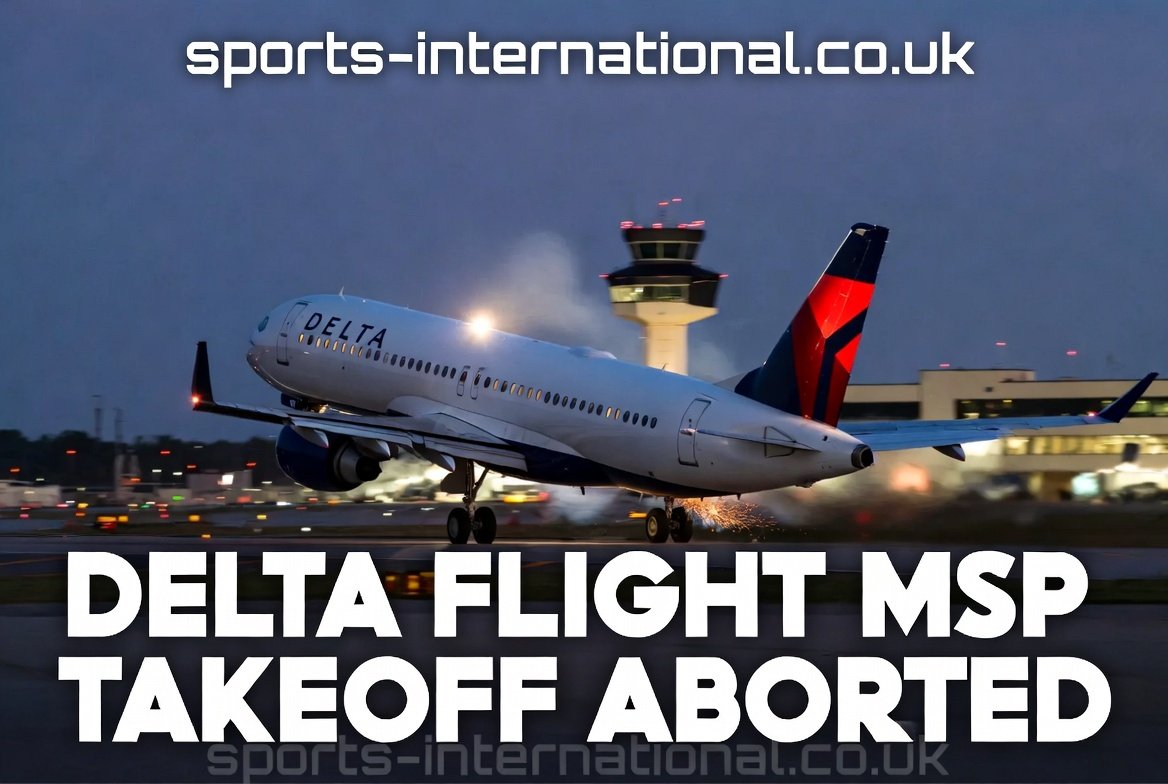
Picture a plane racing down the runway, then suddenly stopping fast. That is exactly what happened when a delta flight msp takeoff aborted at Minneapolis-St. Paul International Airport. This kind of moment can feel scary for passengers onboard. It also raises big questions for anyone watching the video online. In this article, we explain everything clearly and simply. You will learn why pilots choose to abort a takeoff, what actually happened during these MSP events, and how crews responded. We will also cover passenger reactions and safety lessons learned. Understanding a delta flight msp takeoff aborted event helps travelers feel more confident about flight safety overall. By the end of this article, you will know exactly what happens during an aborted takeoff and why it protects everyone onboard. Let’s walk through it together, step by step.
What Does “Aborted Takeoff” Actually Mean?
Before diving into specific events, it helps to understand what an aborted takeoff really is. When a delta flight msp takeoff aborted situation happens, pilots choose to stop the plane before it leaves the ground. This decision usually comes from a warning light, unusual sound, or system failure. Pilots train constantly for this exact moment. They know the speed limits where stopping safely remains possible. Beyond a certain speed, called V1, stopping becomes far riskier than continuing takeoff. Below that speed, stopping is almost always the safer choice. This is why quick decision-making matters so much during takeoff. An aborted takeoff is not a failure of the system. It is the system working exactly as designed. Pilots choose safety first, every single time, even if it means a stressful, sudden stop on the runway.
The October 2025 MSP Engine Incident
One major delta flight msp takeoff aborted event happened in October 2025. Delta Flight 1661 was preparing to leave Minneapolis for Portland. As the plane sped down the runway, something went wrong with the right engine. Air traffic control audio captured the pilot reporting a right engine failure. Controllers in the tower said they heard a loud pop during the takeoff roll. Video from the runway appeared to show a brief flash near the engine. The pilot immediately aborted the takeoff and returned safely to the gate. Ground crews later found debris scattered across the runway. All 180 passengers were moved to a different aircraft. The flight eventually landed in Portland about two hours later than originally planned. Thankfully, nobody was injured during this entire event.
The September 2025 Cockpit Window Incident
Another delta flight msp takeoff aborted event happened just weeks earlier, in September 2025. This time, Delta Flight 2261 was preparing to leave Minneapolis for Las Vegas. During the takeoff roll, a window inside the cockpit suddenly came open. The pilot quickly told air traffic control they needed to stop the takeoff immediately. About 150 passengers and six crew members were onboard at the time. Following strict training, the crew safely discontinued the takeoff and returned to the gate. Delta explained that flight deck safety always comes first in situations like this. Passengers were placed on a replacement aircraft, leaving roughly two hours behind schedule. The original plane was sent to Delta’s maintenance team for a full inspection before flying again.
Why Do Engines Sometimes Fail During Takeoff?
Engine problems during takeoff are rare, but they do happen occasionally. When a delta flight msp takeoff aborted event involves an engine, several factors could be responsible. Foreign object debris on the runway can sometimes get pulled into an engine unexpectedly. Mechanical wear, even with regular maintenance, can occasionally cause sudden issues. Sensors constantly monitor engine performance during every single takeoff roll. If something appears abnormal, pilots receive immediate warnings inside the cockpit. This is exactly what allowed the October 2025 MSP crew to react so quickly. Modern jet engines are incredibly reliable overall, but no machine is completely perfect. This is why redundant systems and strict pilot training exist. Even with an engine failure, the aircraft and crew are fully prepared to handle the situation safely.
Why Cockpit Windows Matter So Much
Cockpit windows might seem like a small detail, but they play a huge safety role. During the September 2025 delta flight msp takeoff aborted event, a window issue became the main concern. Cockpit windows help maintain proper cabin pressure and protect pilots from outside conditions. If a window seal fails or opens unexpectedly, pilots must treat it seriously. Even a small gap can cause noise, pressure changes, or dangerous distractions during a critical moment like takeoff. This is exactly why the crew chose to stop immediately rather than continue. Aircraft manufacturers design windows with multiple layers and strong seals for this reason. Still, mechanical parts can sometimes malfunction unexpectedly. Quick pilot action, paired with strong training, turned a potentially serious issue into a safe, well-managed stop on the runway.
How Pilots Decide to Abort a Takeoff
Every delta flight msp takeoff aborted decision follows strict training guidelines. Pilots constantly monitor speed, engine performance, and warning systems during takeoff. Before reaching a critical speed called V1, stopping remains the safest option if something feels wrong. After V1, continuing the takeoff usually becomes safer than trying to stop. This is why pilots must react within seconds, not minutes. Years of simulator training prepare pilots for exactly these split-second decisions. Both MSP events described here happened before this critical speed was reached. That timing allowed the crews to stop safely without any added risk. This kind of fast, well-trained decision-making is precisely why aborted takeoffs so rarely lead to serious injuries, even when they look frightening from a distance.
What Happens to Passengers After an Aborted Takeoff?
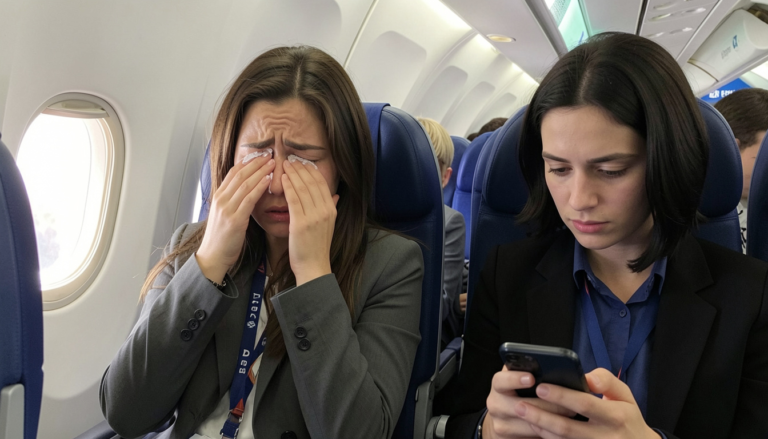
Passenger experience matters greatly after any delta flight msp takeoff aborted event. In both MSP incidents, passengers were safely returned to the gate without injury. Ground crews then worked to move everyone onto a different aircraft. This process takes time, since gate assignments and baggage transfers must be coordinated carefully. Passengers in both events faced roughly a two-hour delay before finally departing. Delta issued public apologies in both cases, acknowledging the inconvenience travelers faced. While frustrating, this kind of delay reflects a much safer outcome than continuing with a mechanical issue. Airlines understand that safety-related delays, though annoying, protect everyone onboard. Most passengers, once they understand the reason behind the delay, tend to appreciate the caution shown by the flight crew.
How Delta Responded to These MSP Incidents
Clear communication followed both delta flight msp takeoff aborted events. After the October engine incident, Delta apologized directly to affected customers for their travel delay. The airline confirmed that a mechanical issue caused the aborted takeoff. Following the September window incident, Delta explained that the flight crew followed proper training to suspend takeoff safely. Both statements emphasized that passenger and crew safety remained the top priority throughout. Aircraft involved in both events were sent for maintenance inspection before returning to service. This kind of transparent, safety-focused communication helps build public trust. Airlines that clearly explain what happened, rather than staying silent, tend to earn more confidence from travelers who later hear about these kinds of events online or through the news.
Are Aborted Takeoffs Common at Busy Airports Like MSP?
Minneapolis-St. Paul International Airport handles a massive number of flights every single day. Because of this heavy traffic, any delta flight msp takeoff aborted event tends to attract quick media attention. However, aborted takeoffs remain statistically rare compared to the sheer number of daily departures. Most flights take off without any issue whatsoever. When problems do occur, video footage and flight-tracking apps often capture the moment instantly. This creates the impression that these events happen more often than they truly do. In reality, strict maintenance schedules and constant system monitoring prevent the vast majority of potential issues before they ever reach the runway. Busy airports like MSP simply mean more total flights, which naturally leads to more public visibility whenever a rare issue does occur.
What Passengers Should Know About Aborted Takeoffs
If you ever experience a delta flight msp takeoff aborted moment yourself, try to stay calm. A sudden stop during takeoff can feel intense, with hard braking and quick deceleration. This reaction is completely normal and expected during an aborted takeoff. Listen carefully to flight attendants for clear instructions. In most cases, like both MSP events described here, the plane simply returns to the gate safely. Airlines typically rebook passengers onto another aircraft as quickly as possible. Keep your travel documents and receipts in case you need to request compensation for a lengthy delay. Understanding that this process exists specifically to protect you can help reduce fear during an already stressful moment. Trust in the training behind every decision made by your flight crew.
Delta Flight MSP Takeoff Aborted Quick Facts Overview
| Detail | Information |
|---|---|
| Airport Involved | Minneapolis-St. Paul International Airport (MSP) |
| October 2025 Event | Delta Flight 1661 to Portland, right engine failure |
| September 2025 Event | Delta Flight 2261 to Las Vegas, cockpit window issue |
| Passengers Affected | 180 (October) and about 150 (September) |
| Injuries Reported | None in either event |
| Typical Delay Length | Around two hours in both incidents |
| Crew Action | Followed training to safely discontinue takeoff |
| Aircraft Aftercare | Sent to maintenance team for full inspection |
| Airline Response | Public apology and passenger rebooking |
| Key Safety Concept | V1 speed decision point during takeoff |
Frequently Asked Questions
1. What does it mean when a delta flight msp takeoff aborted happens? It means the pilots chose to stop the plane before liftoff due to a warning, mechanical issue, or unusual event.
2. What caused the October 2025 MSP incident? Pilots reported a right engine failure during the takeoff roll, prompting an immediate stop before liftoff.
3. What caused the September 2025 MSP incident? A cockpit window opened unexpectedly during takeoff, leading the crew to safely discontinue the takeoff roll.
4. Were any passengers hurt during these events? No injuries were reported in either the October or September MSP aborted takeoff incidents.
5. How long were passengers delayed after these events? Both events resulted in roughly two-hour delays while passengers were moved to replacement aircraft.
6. Are aborted takeoffs a sign that flying is unsafe? No, they show the safety system working correctly. Pilots are trained to stop quickly whenever something feels wrong.
Final Thoughts
A delta flight msp takeoff aborted event can look scary, but it actually shows safety training working perfectly. Both MSP incidents ended without injuries, thanks to quick pilot decisions and strong crew training. Passengers faced delays, but their safety came first every single time. Stories like these remind us why pilots train for years to handle unexpected moments calmly. If this article helped you understand delta flight msp takeoff aborted events more clearly, share it with someone who flies often. Stay informed, stay calm, and always trust the training behind every flight crew.
About the Author