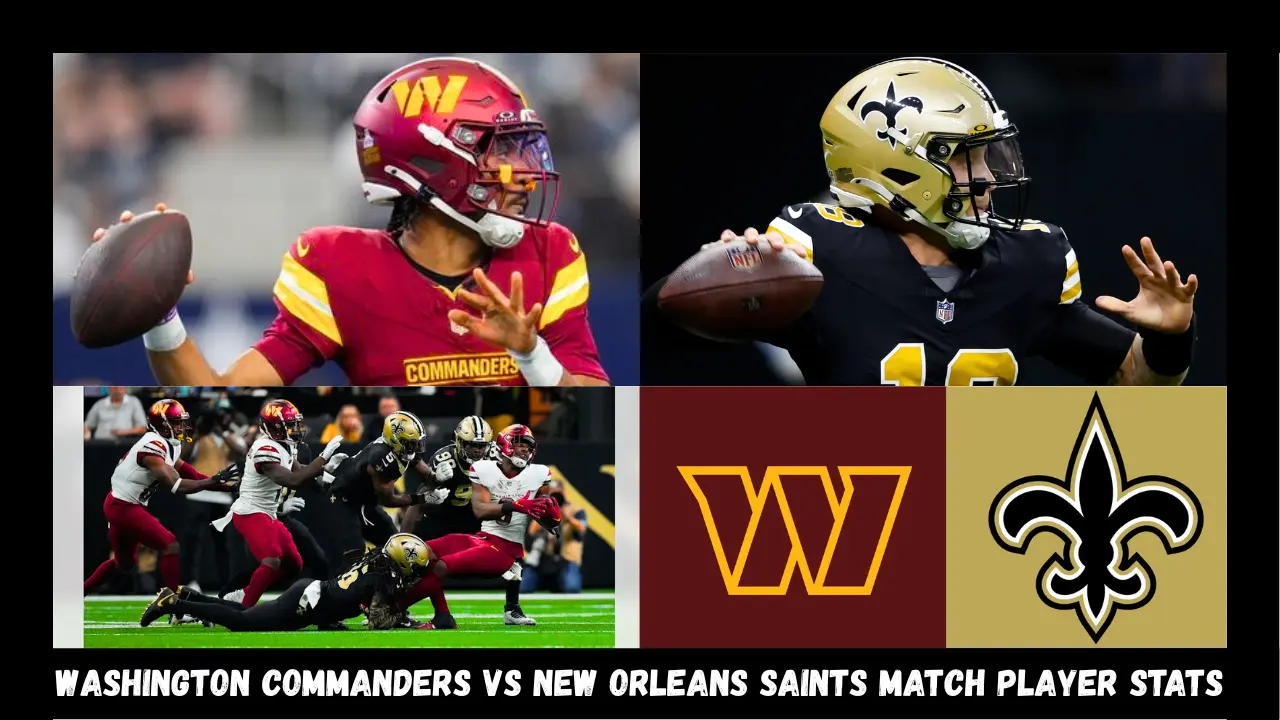
The (Washington commanders vs new orleans saints match player stats) tell the story of a tightly contested NFL battle that came down to execution, discipline, and a handful of decisive moments. This matchup was not just about the final score but about how individual performances, time of possession, and situational football shaped the outcome. From quarterback efficiency to defensive resistance, every stat played a role in defining this game.
In this detailed article, we take a deep dive into the washington commanders vs new orleans saints match player stats, analyzing offensive production, defensive efforts, key player contributions, and strategic trends. Whether you are a fan, analyst, or fantasy football follower, this comprehensive breakdown provides clarity and insight into how and why this game unfolded the way it did.
Match Overview and Game Context
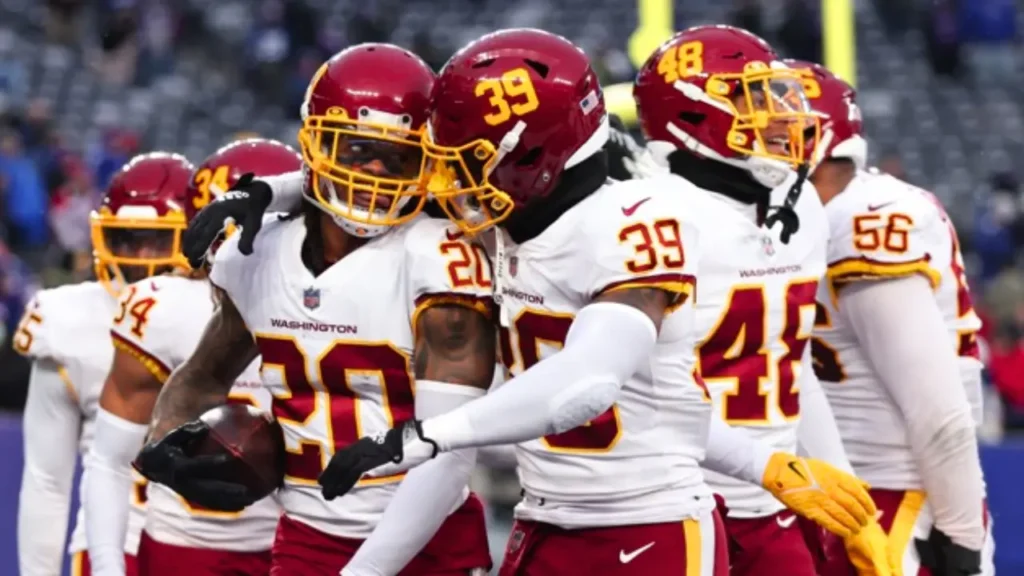
The clash between the Washington Commanders and the New Orleans Saints was a closely fought contest marked by momentum swings and disciplined football. Washington entered the game determined to control tempo, while New Orleans relied on resilience and key individual efforts to stay competitive until the final moments.
The final score reflected how evenly matched the teams were, but a closer look at the washington commanders vs new orleans saints match player stats reveals that Washington held subtle yet crucial advantages. Superior time of possession, higher third-down conversion rates, and mistake-free quarterback play gave the Commanders the edge.
This game also carried broader implications, as both teams were battling to establish consistency and identity during the season. Every drive, tackle, and throw mattered, making player stats especially meaningful when evaluating performance.
Quarterback Performances and Passing Efficiency
Washington Commanders Quarterback Analysis
Washington’s quarterback performance stood out as one of the most efficient aspects of the game. Accuracy, decision-making, and composure defined the Commanders’ passing attack. The quarterback completed a high percentage of passes, consistently moving the chains and avoiding risky throws.
Within the washington commanders vs new orleans saints match player stats, Washington’s quarterback recorded over 220 passing yards and multiple touchdown passes without committing an interception. This clean stat line highlights the importance of ball security, especially in a game decided by a single point.
The Commanders’ quarterback also demonstrated strong pocket awareness and mobility, extending plays when necessary and contributing with rushing yards. These dual-threat abilities forced the Saints’ defense to stay honest and opened up opportunities downfield.
New Orleans Saints Quarterback Analysis
On the other side, the Saints’ quarterback faced a tougher challenge against Washington’s defensive schemes. While flashes of potential were evident, inconsistency limited overall effectiveness. Completion percentage and passing yardage were lower, and sustained drives were harder to come by.
According to the washington commanders vs new orleans saints match player stats, the Saints managed just over 130 passing yards, a figure that reflects both defensive pressure and missed opportunities. Although the Saints did find the end zone through the air, the lack of rhythm in the passing game ultimately hurt their ability to control the contest.
Wide Receivers and Receiving Impact
Washington’s Receiving Leaders
Washington’s receiving corps played a vital role in shaping the game. The standout performer was the team’s top wide receiver, who hauled in multiple catches for over 70 yards and scored twice. His ability to create separation and secure contested catches made him the most dangerous target on the field.
In the context of the washington commanders vs new orleans saints match player stats, Washington’s receivers were efficient rather than flashy. They focused on moving the chains, converting third downs, and capitalizing on red-zone opportunities. This approach complemented the quarterback’s accuracy and the team’s overall offensive balance.
Other receivers contributed timely catches, spreading the ball around and preventing the Saints from locking onto a single target. This distribution of production made Washington’s passing offense difficult to defend.
Saints’ Receiving Contributions
New Orleans relied on a more limited set of receiving options. While a few players made key plays, overall production was modest. The Saints’ receivers struggled to consistently gain yardage after the catch, often being tackled quickly by Washington’s secondary.
When examining the washington commanders vs new orleans saints match player stats, it becomes clear that New Orleans lacked a breakout receiving performance. This absence of explosive plays placed more pressure on the running game and limited the Saints’ offensive flexibility.
Rushing Game and Ground Control
Washington Commanders Rushing Attack
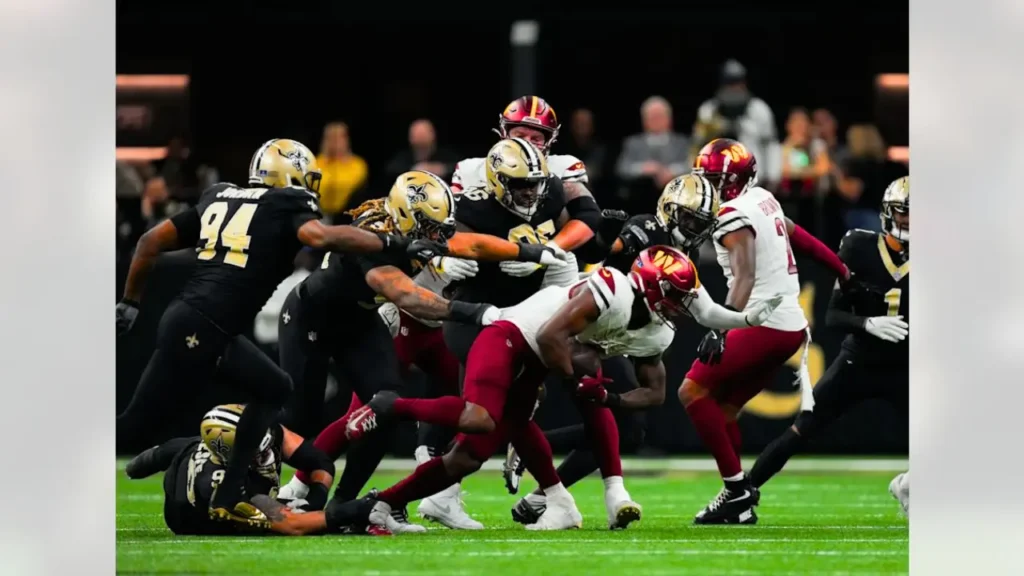
Washington’s rushing attack was a cornerstone of its success. The Commanders combined quarterback mobility with effective running back contributions to generate steady yardage on the ground. This balanced approach allowed Washington to maintain long drives and dominate time of possession.
In the washington commanders vs new orleans saints match player stats, Washington recorded over 130 rushing yards, with the quarterback leading the team and the primary running back close behind. These numbers reflect not only individual effort but also strong offensive line play.
The rushing game also played a strategic role, keeping the Saints’ defense on the field and wearing them down as the game progressed.
New Orleans Saints Rushing Performance
New Orleans leaned heavily on its star running back, who once again proved to be the engine of the offense. He contributed both as a runner and a receiver, totaling around 70 all-purpose yards and scoring a touchdown.
Despite this effort, the Saints’ rushing attack lacked consistent support from other players. According to the washington commanders vs new orleans saints match player stats, New Orleans struggled to establish sustained success on the ground, particularly in short-yardage situations.
Defensive Efforts and Key Stops
Washington Commanders Defense
Washington’s defense played a disciplined and opportunistic game. They limited big plays, applied pressure at critical moments, and forced the Saints into uncomfortable situations on third down.
The washington commanders vs new orleans saints match player stats highlight Washington’s defensive success, including multiple tackles for loss and a key interception. These plays shifted momentum and helped preserve the narrow lead.
Washington’s linebackers and secondary worked together effectively, closing passing lanes and preventing yards after contact.
New Orleans Saints Defense
The Saints’ defense deserves credit for keeping the game close. They contested throws, limited explosive plays, and forced Washington to work for every yard.
However, within the washington commanders vs new orleans saints match player stats, one key issue stands out: difficulty getting off the field on third down. Washington’s ability to convert extended drives proved costly, especially late in the game.
Time of Possession and Game Management
One of the most telling aspects of the washington commanders vs new orleans saints match player stats is time of possession. Washington controlled the ball for more than 40 minutes, nearly doubling New Orleans’ total.
This disparity reflects Washington’s commitment to ball control and situational awareness. Long, methodical drives kept the Saints’ offense sidelined and reduced their scoring opportunities.
Time of possession is often overlooked, but in this game, it was a decisive factor that influenced nearly every other statistical category.
Third-Down Efficiency and Red-Zone Execution
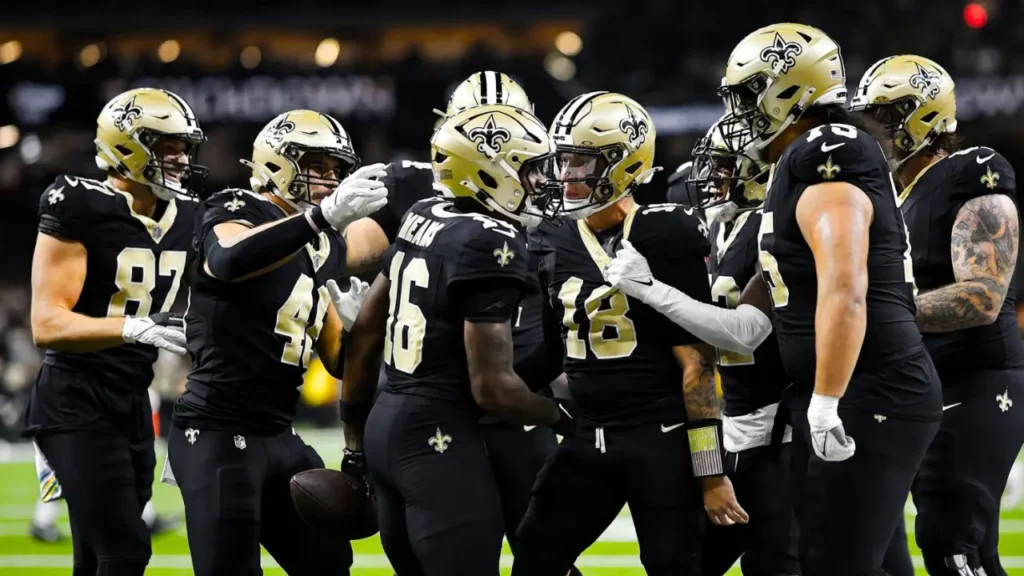
Washington excelled on third down, converting over half of their opportunities. This efficiency sustained drives and frustrated the Saints’ defense.
In contrast, New Orleans struggled in these crucial moments. The washington commanders vs new orleans saints match player stats show a clear difference in third-down success, underscoring why Washington maintained control throughout the game.
Red-zone efficiency also favored Washington, as they capitalized on scoring chances while limiting mistakes.
Turnovers and Discipline
Turnovers often determine close games, and this matchup was no exception. Washington played a clean game, committing no turnovers and protecting the football at all times.
New Orleans, however, suffered a costly interception that halted a promising drive. Within the washington commanders vs new orleans saints match player stats, this single turnover stands out as a turning point.
Discipline, both in ball security and penalties, tilted the balance in Washington’s favor.
Tactical Breakdown and Coaching Influence
From a tactical perspective, Washington’s coaching staff executed a clear game plan. They emphasized balance, patience, and situational excellence. The play-calling reflected confidence in the quarterback and trust in the offensive line.
The Saints’ approach showed determination but lacked adaptability. As revealed by the washington commanders vs new orleans saints match player stats, adjustments came too late to reverse the momentum.
Coaching decisions, particularly in clock management and play selection, subtly influenced the final outcome.
What the Player Stats Reveal About Team Identity
The washington commanders vs new orleans saints match player stats offer insight into both teams’ identities. Washington demonstrated balance, discipline, and efficiency, traits that often translate into consistent success.
New Orleans showcased resilience and individual talent but struggled with cohesion and execution. The stats suggest a team capable of competing but in need of greater consistency across all phases.
Long-Term Implications of This Matchup
Beyond a single result, the washington commanders vs new orleans saints match player stats provide valuable lessons. Washington can build on this performance as a blueprint for future games, while New Orleans can identify areas requiring improvement.
Player development, strategic refinement, and situational execution will determine how both teams progress through the season.
Conclusion
The washington commanders vs new orleans saints match player stats paint a detailed picture of a closely contested NFL game defined by efficiency, discipline, and execution. Washington’s ability to control possession, convert key plays, and avoid mistakes proved decisive.
New Orleans fought hard and showed flashes of brilliance, but inconsistencies ultimately limited their impact. By analyzing player stats in depth, it becomes clear how individual performances and team strategies combined to shape the outcome.
This matchup serves as a reminder that football is a game of details, where every yard, decision, and stat matters.
Frequently Asked Questions (FAQs)
1. Why are player stats important in analyzing this game?
Player stats help explain how individual performances influenced momentum, scoring, and overall control in the matchup.
2. Who was the standout player in the game?
Washington’s top wide receiver stood out with multiple touchdowns and consistent receiving production.
3. How did time of possession affect the result?
Washington’s dominance in time of possession limited New Orleans’ offensive opportunities and controlled the pace of the game.
4. What was the biggest statistical difference between the teams?
Third-down efficiency and turnover margin were the most significant statistical gaps.
5. What can both teams learn from this matchup?
Washington can reinforce its balanced approach, while New Orleans can focus on improving consistency and execution in key moments.
About the Author