
The NFL delivered another thrilling showdown when the Browns and Broncos faced off in a high-intensity contest that showcased explosive offense, big defensive stops, and momentum-changing plays. A deep look into the (Cleveland browns vs denver broncos match player stats) reveals how each unit performed, who stepped up in crucial moments, and what truly shaped the outcome of this much-talked-about matchup. This extensive analysis breaks down every major aspect of the game, from quarterback duels to defensive highlights and special teams contributions, giving football fans a complete understanding of how the action unfolded.
Game Overview Why This Matchup Stood Out
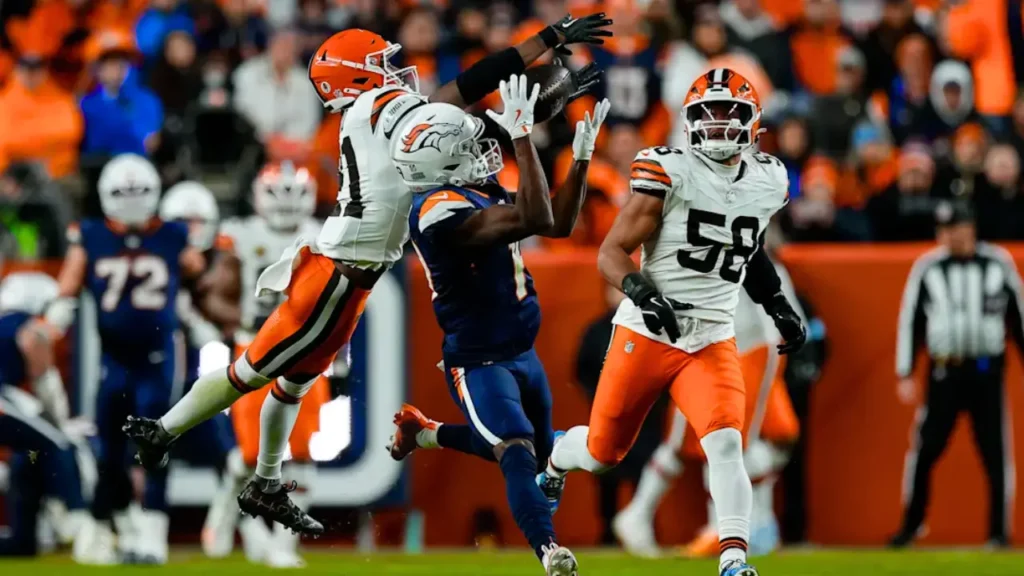
This game wasn’t just another regular-season meeting — it felt like a battle of strategy, grit, and execution. A closer examination of the cleveland browns vs denver broncos match player stats shows a contest driven by powerful running, sharp passing, and defensive units that brought pressure all game long. Both teams entered with different strengths, and the numbers reveal how those strengths translated on the field.
The offensive flow, red-zone efficiency, and turnovers became the defining factors. Even though each team moved the ball effectively, key drives and timely plays separated the winner from the loser.
Quarterback Comparison Leadership Under Pressure
Quarterback play is often the difference in a competitive matchup, and this game proved no different. The cleveland browns vs denver broncos match player stats show both quarterbacks delivering productive performances, but small differences made a major impact.
Browns Quarterback Performance
The Browns’ quarterback managed the offense with precision, completing a large percentage of his attempts while adding two touchdowns through the air. His accuracy on short and mid-range throws kept the chains moving, and his reads were on point for most of the game. However, the Denver defense disrupted several crucial possessions, limiting the Browns’ ability to capitalize consistently.
Broncos Quarterback Performance
The Broncos’ quarterback matched the Browns almost throw for throw. He demonstrated great poise under pressure, hitting receivers in stride and executing smart decisions on third down. His ability to extend plays and maintain control of the pocket became a major factor, especially during long, time-consuming drives. The cleveland browns vs denver broncos match player stats clearly reflect how his calm leadership led to sustained offensive success.
Running Game Breakdown Ground Attack Efficiency
The running game had a big influence on the pace, tempo, and momentum. Both teams leaned heavily on their ground attacks to set up play-action and control field position.
Browns Rushing Analysis
Cleveland’s lead running back made the most of his touches, producing tough yards and keeping the offense balanced. The run game wasn’t explosive, but it was reliable. Still, the Browns struggled to break out longer runs that could change drives or flip momentum.
Broncos Rushing Analysis
The Broncos found more rhythm on the ground. Their primary running back showcased power and patience, hitting gaps with speed and creating first downs in key situations. A rushing touchdown and several chunk gains stand out prominently in the cleveland browns vs denver broncos match player stats, highlighting Denver’s advantage in controlling the trenches.
Receiving Units Playmakers on Both Sides
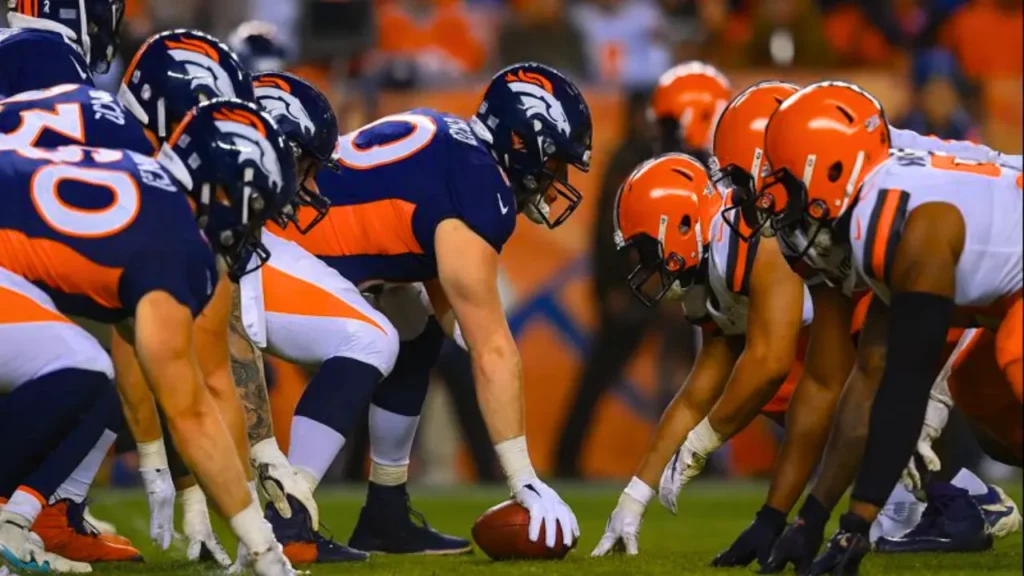
While the quarterbacks were delivering, the receivers played a huge role in shaping the direction of the matchup.
Cleveland’s Receiving Leaders
The Browns’ top receiver was reliable throughout the game, consistently creating separation and finishing with strong yardage numbers. His ability to win matchups gave the offense breathing room, but Cleveland struggled to establish a second dominant threat, making the passing attack easier for Denver to defend late in the game.
Denver’s Receiving Leaders
The Broncos showcased a balanced receiving attack that stretched the field and forced the Browns’ secondary into tough coverage decisions. Their leading receiver posted over 100 yards and added a touchdown, while the secondary option recorded nearly 90 yards. This dual threat is one of the most noticeable advantages in the cleveland browns vs denver broncos match player stats, giving Denver more versatility in key downs.
Defensive Highlights Pressure Turnovers and Key Stops
Defense is often the underrated star of an NFL game, and this matchup showed exactly why.
Broncos Defensive Standouts
Denver’s defense made game-changing plays — the type that decide close matchups. Multiple interceptions, tough man-to-man coverage, and consistent pressure made life difficult for the Browns. Their cornerback with multiple turnovers stood out as one of the top performers of the entire game.
Browns Defensive Standouts
Cleveland’s defensive front was equally effective in moments, recording multiple sacks and creating steady backfield disruption. The standout pass rusher produced several huge moments, forcing quick throws and disrupting Denver’s timing. Even so, the Broncos’ offense adjusted well enough to sustain key drives.
Special Teams Impact Hidden Yardage Matters
Special teams may not always grab the headlines, but they can quietly tilt a game.
Denver enjoyed exceptional kicking performance, converting every attempt and flipping momentum with strong punts and efficient returns. These subtle advantages show up clearly in the cleveland browns vs denver broncos match player stats, where Denver outpaced Cleveland in field position and scoring opportunities.
The Browns’ special teams did their job but weren’t able to produce large returns or long field goals that would shift momentum.
Situational Stats Third Down Red Zone and Turnovers
Situational execution separates good teams from winning teams. In this game:
- Denver excelled in third-down efficiency, turning tough situations into sustained offensive drives.
- Red-zone opportunities were crucial, and the Broncos capitalized more effectively.
- Turnovers heavily influenced the game, with Denver winning the turnover battle.
These three components appear throughout the cleveland browns vs denver broncos match player stats, emphasizing why Denver ultimately gained the upper hand.
Key Turning Points Drives That Changed the Game
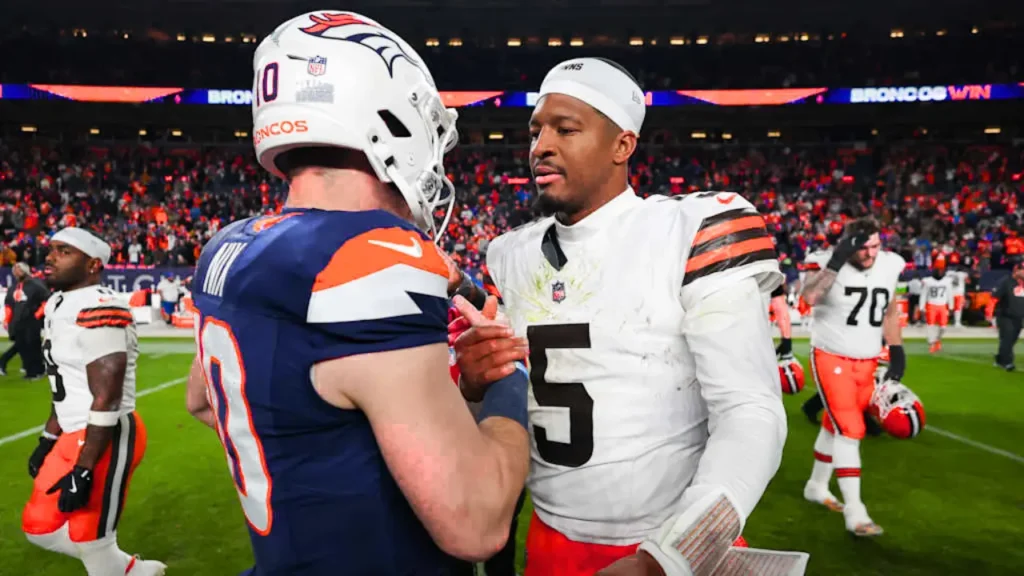
Several moments shifted the entire flow of the contest:
- A second-quarter interception that stopped a Browns scoring opportunity.
- A long third-quarter touchdown drive by Denver that drained the clock and built momentum.
- A big third-down catch in the fourth quarter, helping the Broncos maintain possession.
- A late defensive stop that sealed the matchup.
These moments are reflected in both the scoreboard and the overall cleveland browns vs denver broncos match player stats, helping define the final outcome.
Advanced Metrics Insight Beyond the Box Score
EPA, success rate, and drive efficiency metrics tell an even deeper story:
- Denver generated more high-value plays, increasing their scoring chances.
- Cleveland had a solid success rate early, but it dropped sharply in the second half.
- Explosive plays from Denver’s receivers boosted their advantage.
The advanced metrics consistently reinforce what the primary cleveland browns vs denver broncos match player stats already show — Denver played at a higher efficiency level in key moments.
Team Outlook What These Stats Suggest
For the Browns
- Strong quarterback play but need more offensive diversity.
- Defensive front is elite but must convert pressure into more turnovers.
- Running game needs explosive development.
For the Broncos
- Balanced offense makes them difficult to defend.
- Defensive playmaking continues to elevate the team.
- Execution in critical moments remains a major strength.
Complete Conclusion
The cleveland browns vs denver broncos match player stats offer a clear, complete picture of how this competitive matchup unfolded. Denver’s balanced attack, defensive excellence, and situational execution gave them the winning edge, while Cleveland showed promising individual performances but struggled to maintain consistency in the most important phases of the game. This matchup highlighted playmakers on both sides and demonstrated how small advantages in execution can create big differences in the final result.
FAQs
1. Which quarterback had the better performance in the game?
Both quarterbacks played well, but Denver’s QB capitalized better on third downs and maintained stronger game control in key moments.
2. Who was the top overall performer according to the match stats?
Denver’s leading receiver and the defensive back with multiple turnovers were two of the standout performers in the match.
3. How did the running games compare between the two teams?
Denver had the more effective ground attack, producing chunk plays and a touchdown that helped shape the game flow.
4. Did special teams make a difference?
Yes, Denver’s perfect kicking and better returns contributed to stronger field position throughout the game.
5. What were the biggest turning points in the matchup?
A second-quarter interception, a long Denver touchdown drive, and late defensive stops were the defining moments.
Read More: Sports – International
About the Author